Compare Local Contractors for Residential Landscape Drainage Projects
Compare local contractors for residential landscape drainage to clarify project scope, verify experience, and establish clear expectations for a successful outcome.
Residential landscape drainage projects typically involve managing excess water around a property to prevent issues such as flooding, soil erosion, and foundation damage. Common work includes installing drainage systems like French drains, surface grading, sump pumps, and underground piping to direct water away from structures and landscaped areas. These services aim to improve water flow, reduce pooling, and protect the property's overall integrity, ensuring that outdoor spaces remain functional and safe during heavy rains or persistent moisture conditions.
Clearly defining the scope of a drainage project is essential for establishing realistic expectations and ensuring the work addresses specific property needs. Property owners should work with contractors to identify problem areas, desired outcomes, and any existing landscape features that might influence the installation process. A detailed scope helps prevent misunderstandings, allows for better planning, and provides a basis for evaluating whether a contractor’s proposed solutions align with the property's requirements. Documenting the scope in writing can serve as a reference point throughout the project, helping to keep the work on track and within the agreed parameters.
When comparing local contractors for residential landscape drainage work, property owners should consider several factors beyond basic familiarity with drainage solutions. Verifying experience with similar projects and understanding each contractor’s approach can help determine their capability to handle specific site conditions. It’s also valuable to review how each service provider plans to define the scope, communicate progress, and document work details. Comparing the clarity of proposals, the thoroughness of scope descriptions, and the professionalism demonstrated during initial discussions can assist property owners in selecting service providers who are well-equipped to meet their drainage needs effectively.
Compare local contractors by outlining priorities, verifying experience, and setting clear expectations in writing.
- Compare Contractor Experience - Review the background and project history of local contractors to ensure they have relevant expertise.
- Define Project Scope Clearly - Outline specific drainage needs and expectations to communicate effectively with service providers.
- Verify References and Past Work - Check previous customer feedback and completed projects to assess contractor reliability.
- Document Agreements in Writing - Ensure all project details, responsibilities, and expectations are clearly outlined in a formal agreement.
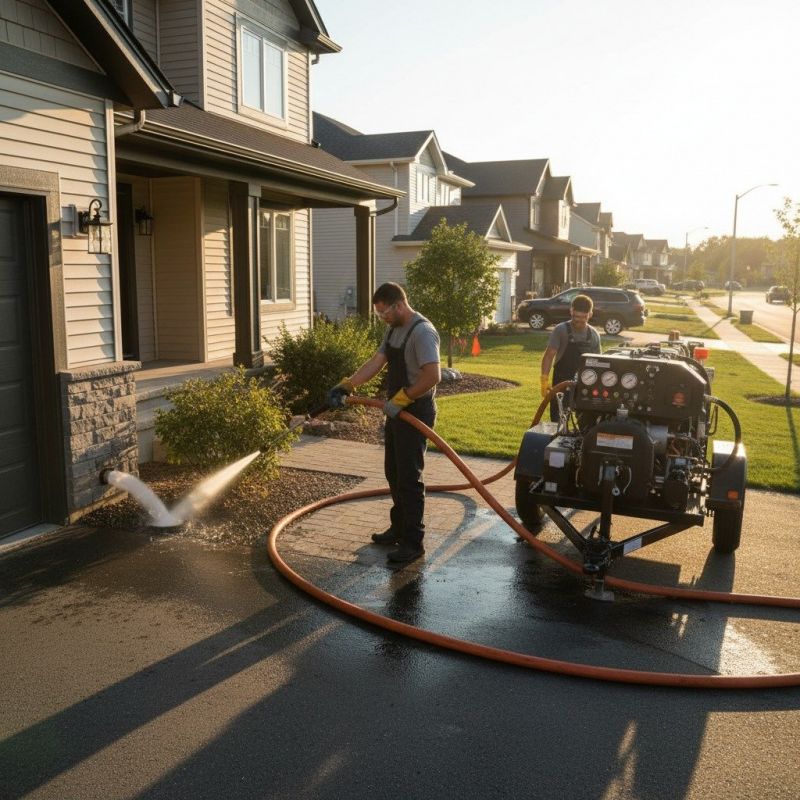
Compare local contractors by clearly describing your landscape drainage project, defining the scope, verifying experience, and setting expectations in writing.
- Assess experience with residential drainage systems - verify that contractors have a proven track record handling similar projects in residential settings.
- Define the scope of work clearly in writing - ensure all drainage solutions and materials are detailed to prevent misunderstandings.
- Review references or portfolio examples - look for evidence of successful drainage installations and customer satisfaction.
- Confirm understanding of site-specific considerations - contractors should evaluate landscape features, soil type, and grading to tailor solutions.
- Ensure detailed project specifications are provided in writing - including drainage methods, materials, and any necessary site prep or modifications.
- Compare multiple service providers - evaluate their experience, scope of work, and written proposals to make an informed decision.
Compare local contractors, define project scope clearly, verify experience, and set expectations in writing.
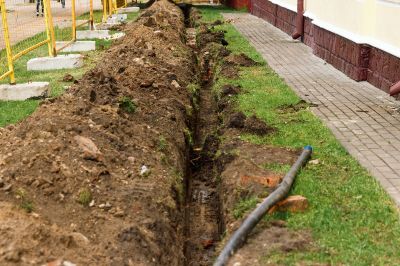
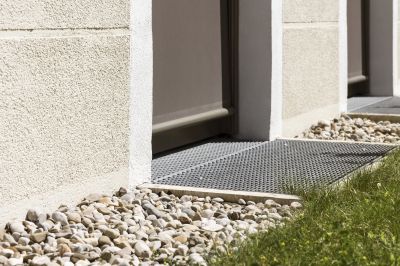
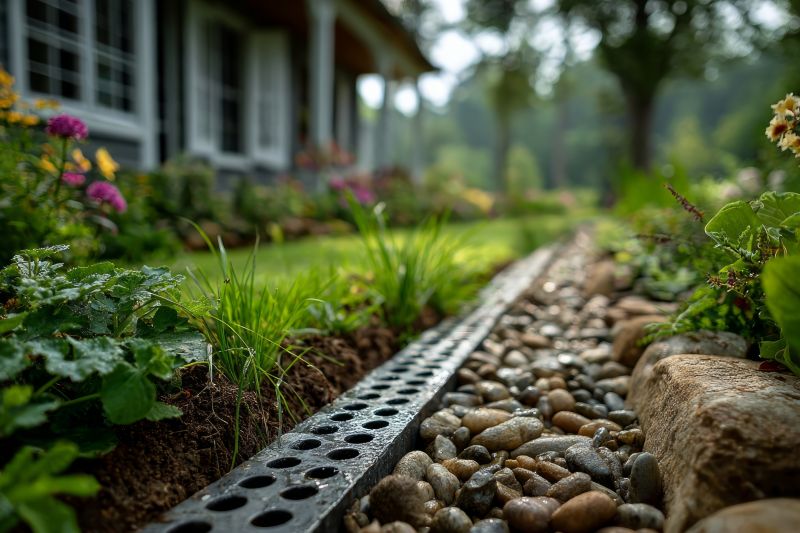
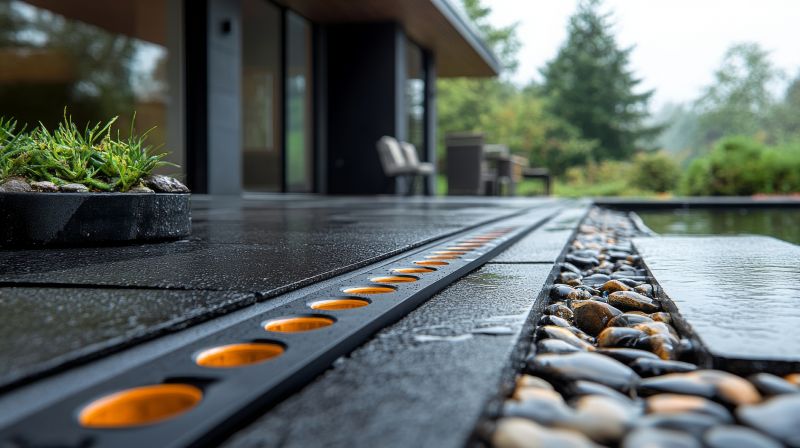
Learn how to compare residential landscape drainage contractors, define project scope, verify experience, and set clear expectations in writing.
- Define project scope - clearly outline the specific drainage issues and desired outcomes for the landscape area.
- Verify experience and expertise - assess the contractor’s background in residential drainage solutions and related projects.
- Establish materials and methods - specify the types of drainage systems, materials, and installation techniques to be used.
- Set documentation expectations - ensure all project details, scope, and responsibilities are documented in writing for clarity.
- Compare local service providers - evaluate different contractors based on scope, experience, and proposed methods to find suitable options.
When evaluating contractors for residential landscape drainage projects, it’s important to consider their experience with similar types of work. Homeowners should inquire about how many projects they have completed that involve drainage solutions tailored to properties with comparable site conditions. A contractor’s familiarity with specific challenges, such as slope management, soil types, or existing landscaping features, can influence the effectiveness and longevity of the drainage system. Verifying that a contractor has a history of successful projects in residential settings similar to the property can help ensure they understand the unique demands of the site.
A clear, written scope of work is essential when comparing service providers. Homeowners should seek detailed descriptions of what each contractor intends to do, including the methods, materials, and specific tasks involved. An explicitly outlined scope helps prevent misunderstandings and provides a basis for evaluating the completeness of each proposal. It also makes it easier to identify any potential gaps or unnecessary services, ensuring that the project expectations are well-defined and aligned before any work begins.
Verification of a contractor’s approach involves understanding their process for assessing the site and designing the drainage system. Homeowners can ask how they evaluate existing conditions, such as grading, soil permeability, and water flow patterns. It’s helpful to know whether the contractor plans to perform a site inspection or soil testing, and how they incorporate these findings into their design. Confirming that a contractor has a thorough verification process ensures that the proposed solutions are based on accurate assessments, which can lead to more effective and durable drainage improvements.
When comparing options, it’s important to focus on the quality and clarity of the proposals rather than just cost. Homeowners should review how each contractor explains their recommendations, the materials they intend to use, and the projected scope of work. Asking for written descriptions of the approach and ensuring they address the specific site conditions can help in making an informed decision. Evaluating the professionalism and thoroughness of each proposal provides insight into the contractor’s expertise and reliability, supporting the selection of a service provider capable of delivering effective drainage solutions.
Request written scope and details from local contractors to ensure clear expectations and consistent project understanding.
- Experience with Drainage Systems - What specific drainage solutions and projects have local contractors previously completed?
- Scope of Work - How do contractors define and document the scope of drainage work to ensure clear expectations?
- Materials and Methods - What types of materials and installation techniques do service providers typically recommend for residential drainage?
- Project Approach - How do local contractors plan to assess the property and develop a drainage plan tailored to its needs?
- References and Past Projects - Can contractors provide references or examples of similar drainage projects they have successfully completed?
What should I consider when comparing contractors for residential landscape drainage? It’s important to review their experience with similar projects, verify their reputation through references or reviews, and ensure they clearly define the scope of work in writing.
How can I ensure a contractor understands my drainage needs? Clearly communicate your concerns and goals, and ask the contractor to provide a detailed plan or scope of work that addresses your specific drainage issues.
What questions should I ask to verify a contractor’s experience? Inquire about their previous projects, request examples of similar work, and ask how they approach solving drainage challenges in residential settings.
Why is it important to define the scope of work in writing? Having a written scope helps prevent misunderstandings, sets clear expectations, and provides a reference for the work to be performed.
What are some key factors to consider when choosing a service provider? Look for contractors with relevant experience, positive references, clear communication, and a detailed scope of work that matches your needs.
How can I compare different contractors effectively? Obtain detailed proposals or descriptions of their approach, verify their experience, and review their reputation to determine which provider best aligns with your project requirements.
Understanding the key aspects of residential landscape drainage projects can help in making informed decisions. Visitors learned how to define the scope of work, verify the experience of local contractors, and set clear expectations in writing. This knowledge supports a strategic approach to comparing service providers and selecting the right partner for the job.
Using the quote form allows for easy comparison of local contractors who specialize in landscape drainage. It offers a straightforward way to connect with service providers in the area, ensuring that options can be reviewed and evaluated based on individual needs and project requirements.